
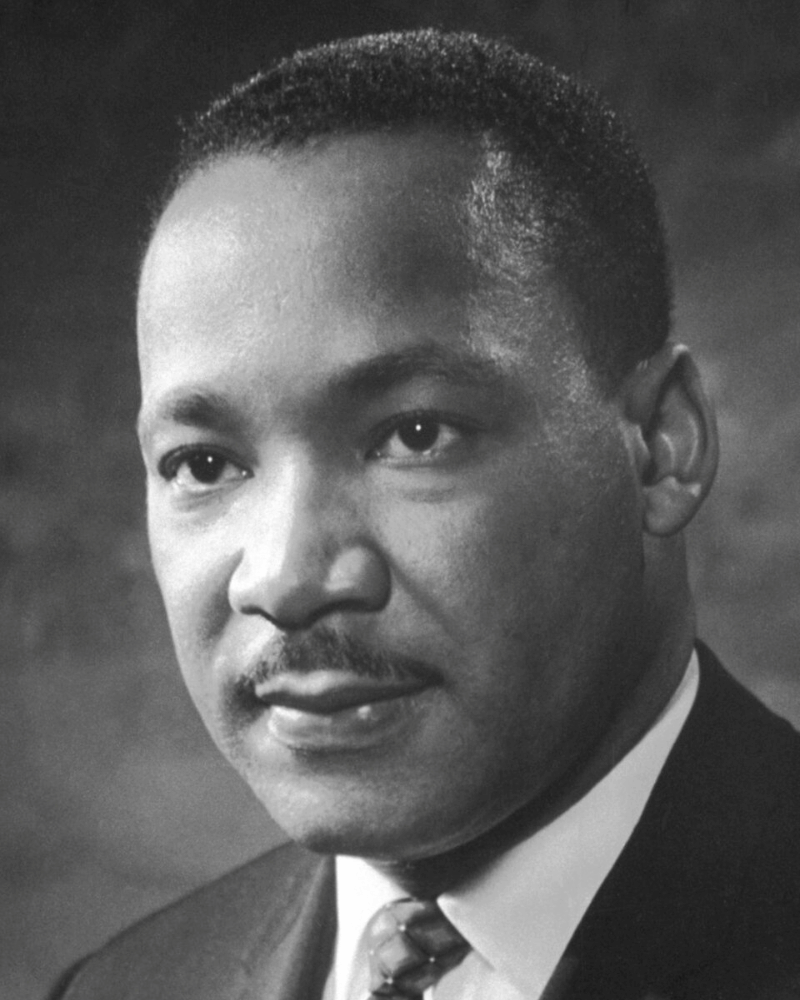
Martin Luther King Jr. Historic Sites
Martin Luther King Jr. became the most recognizable voice of the modern American Civil Rights Movement, but his story is rooted in churches, neighborhoods, sidewalks, and ordinary gathering places across the country.
Born in Atlanta in 1929, King followed his father and grandfather into the ministry. His leadership during the Montgomery Bus Boycott brought him national attention, and he became a leading advocate of nonviolent protest against racial segregation and discrimination. King helped organize demonstrations across the South, wrote his famous “Letter from Birmingham Jail,” and delivered his “I Have a Dream” speech during the 1963 March on Washington. He received the Nobel Peace Prize the following year. King later spoke increasingly about poverty, economic inequality, and the Vietnam War. He was assassinated at Memphis’ Lorraine Motel on April 4, 1968, while supporting striking sanitation workers.
Today, visitors can follow his journey through Atlanta, Montgomery, Birmingham, Selma, Washington, and Memphis, experiencing the actual places where some of the Civil Rights Movement’s defining moments unfolded.
Explore Martin Luther King Jr. Historic Sites
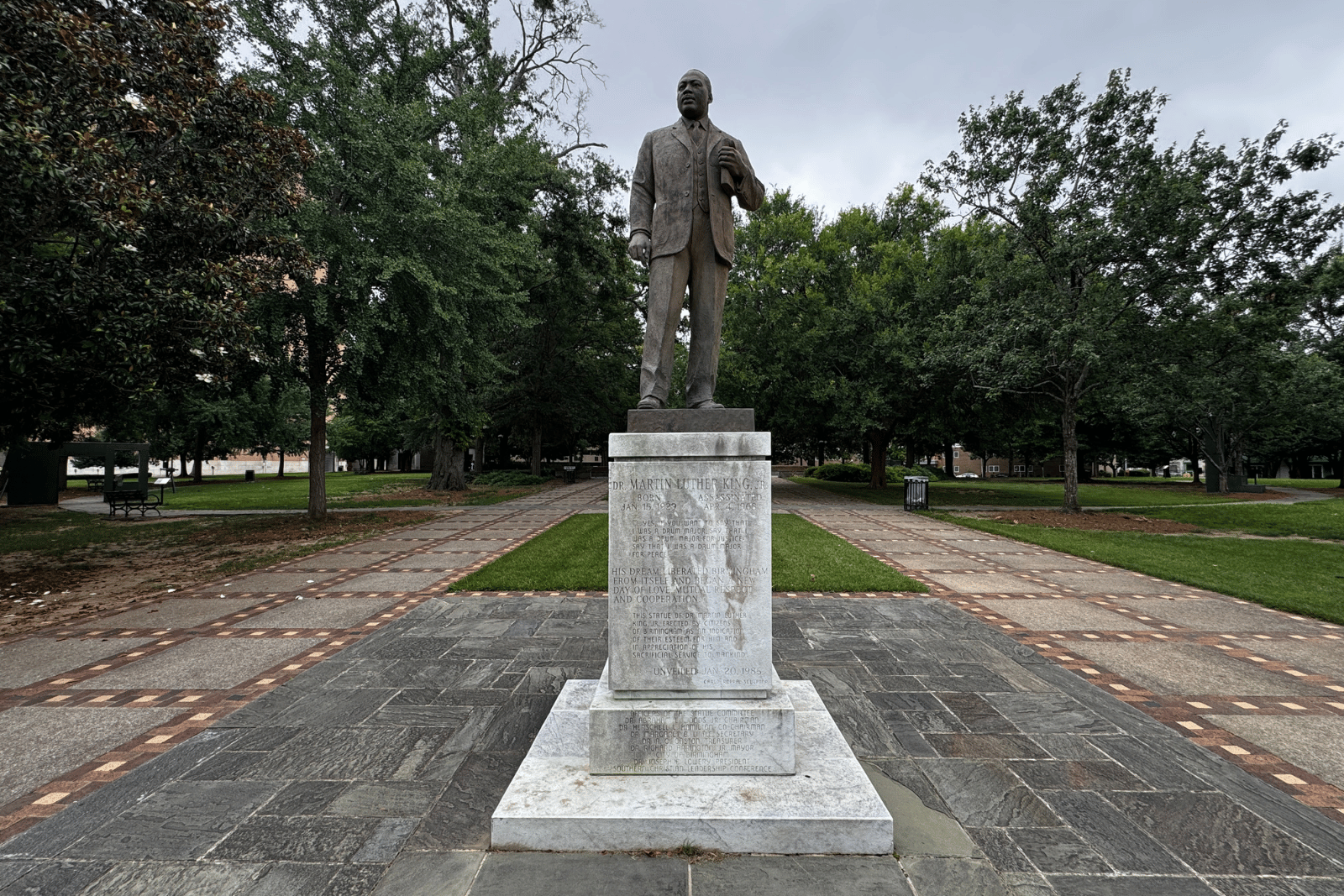
Birmingham Civil Rights National Monument
Birmingham, Alabama
This national monument preserves important sites associated with Martin Luther King Jr. and the 1963 Birmingham Campaign, when demonstrations against segregation helped transform the Civil Rights Movement.
Read more about visiting the Birmingham Civil Rights National Monument.
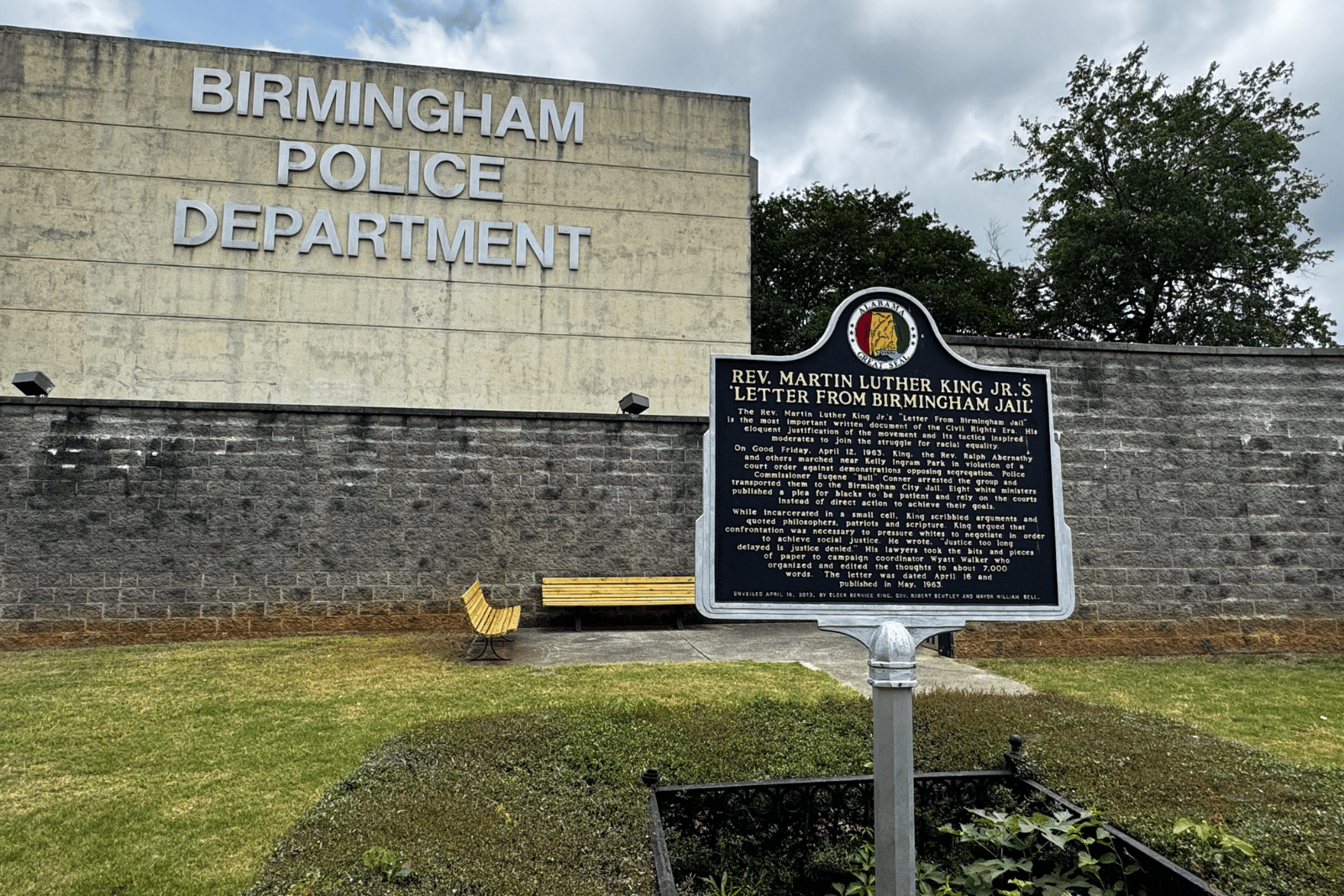
Letter from Birmingham Jail Historical Marker
Birmingham, Alabama
This historical marker commemorates the Birmingham jail where Martin Luther King Jr. wrote his famous 1963 letter defending nonviolent resistance to segregation and the urgent need for racial equality.
Read more about the Letter from Birmingham Jail Historical Marker.
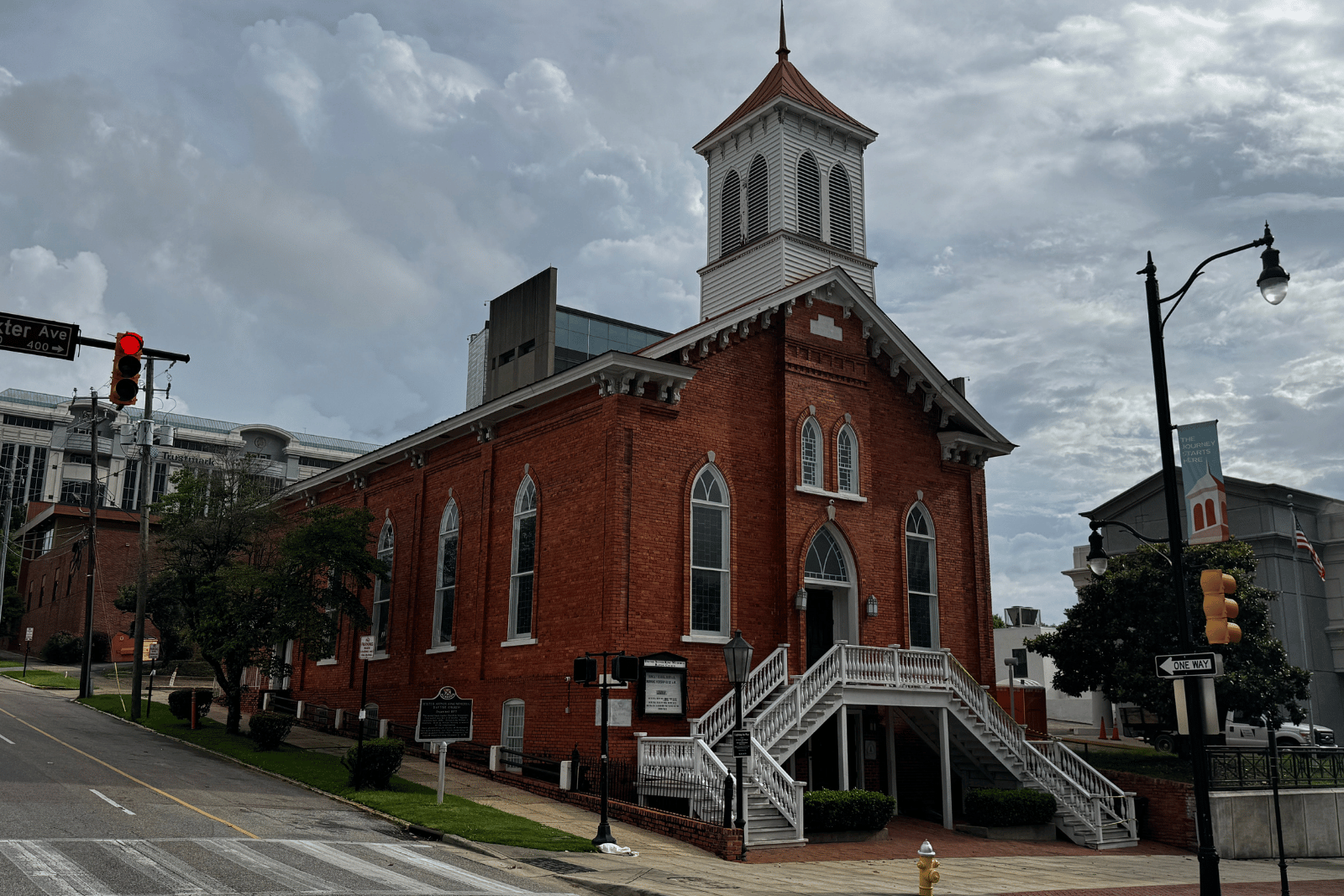
Dexter Avenue King Memorial Baptist Church
Montgomery, Alabama
Martin Luther King Jr. served as pastor of this historic church from 1954 to 1960 and helped lead the Montgomery Bus Boycott, which launched him into the national spotlight.
Read more about Dexter Avenue King Memorial Baptist Church.
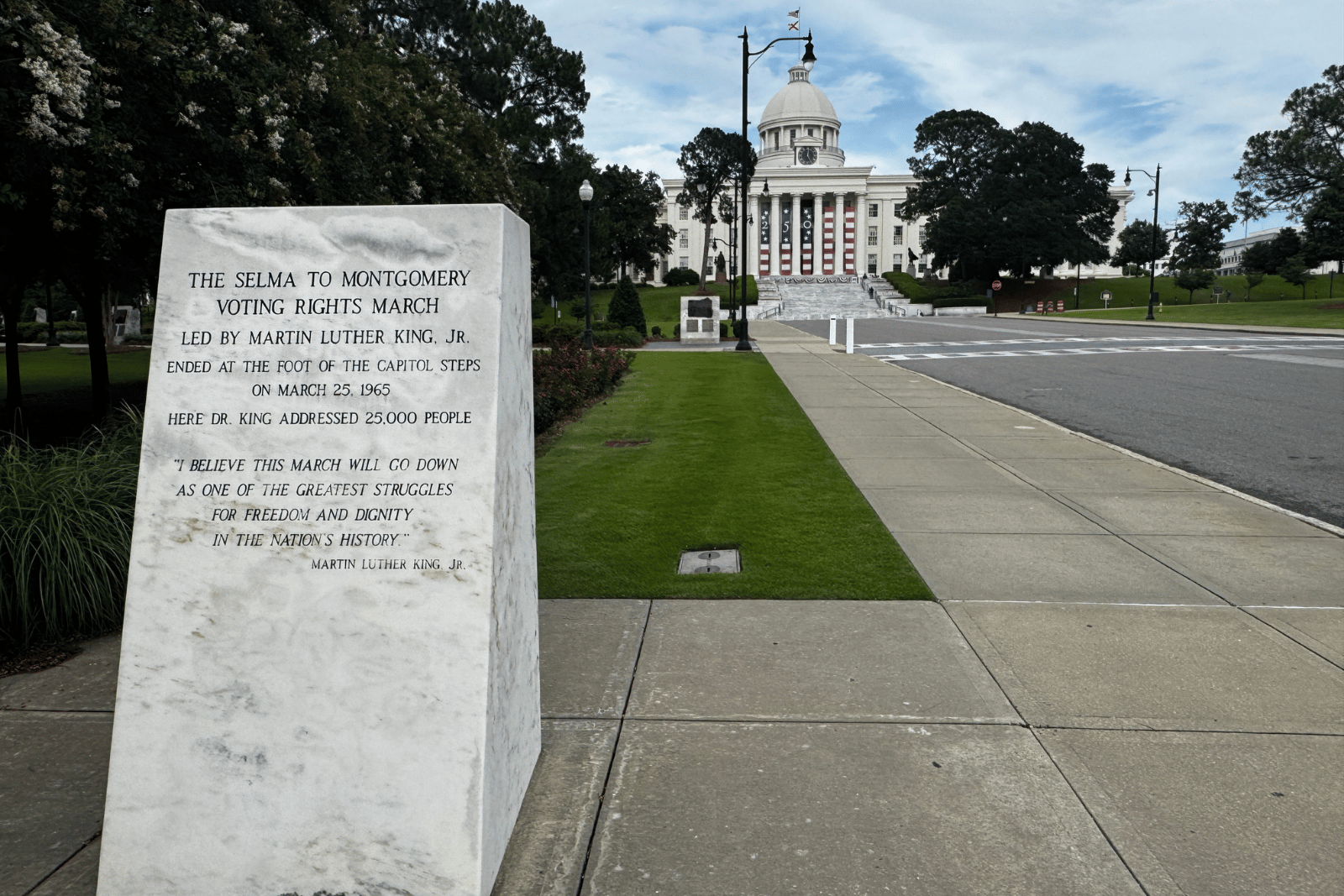
Selma to Montgomery National Historic Trail
Alabama
This 54-mile historic trail follows the route Martin Luther King Jr. and thousands of civil rights activists marched in 1965 to demand voting rights, helping build support for the Voting Rights Act.
Read more about the Selma to Montgomery National Historic Trail.
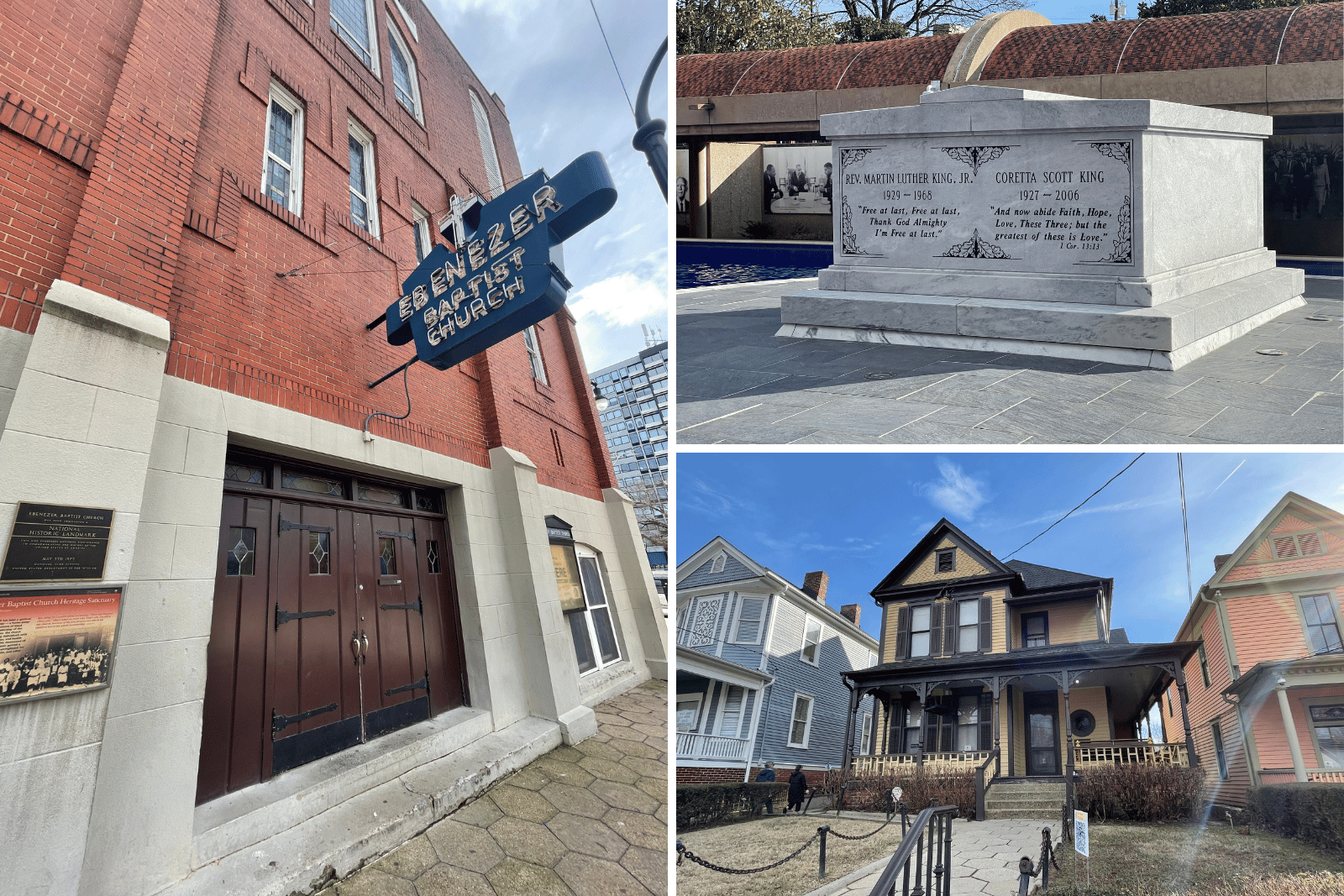
Martin Luther King Jr. National Historical Park
Atlanta, Georgia
This national historical park preserves Martin Luther King Jr.’s childhood home, Ebenezer Baptist Church, and his final resting place, offering visitors a look at the life and legacy of the civil rights leader.
Read more about Martin Luther King Jr. National Historical Park.
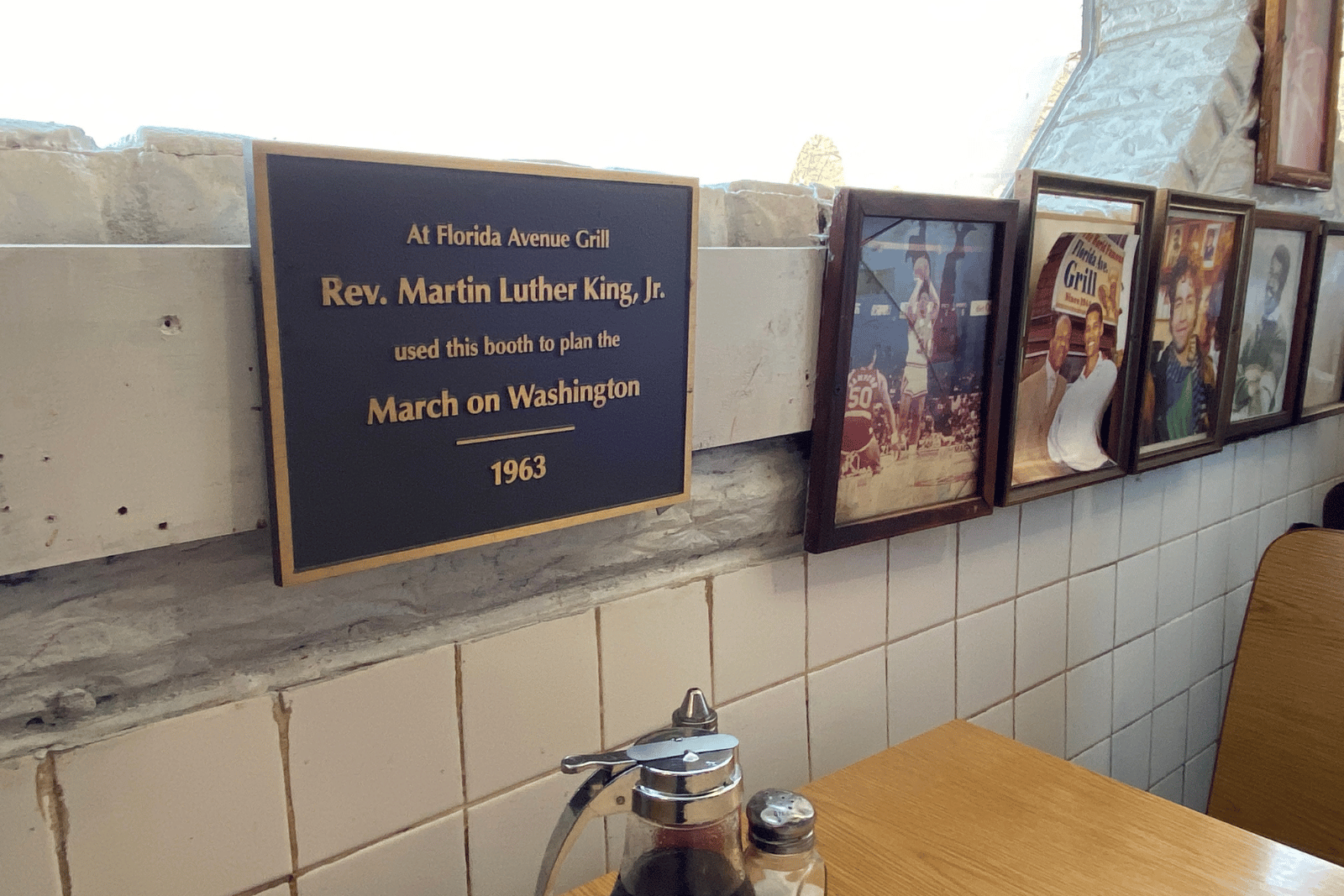
Florida Avenue Grill
Washington, D.C.
Martin Luther King Jr. was a notable patron of this historic Washington restaurant, which opened in 1944 and became a gathering place for prominent figures in the Civil Rights Movement.
Read more about Florida Avenue Grill.
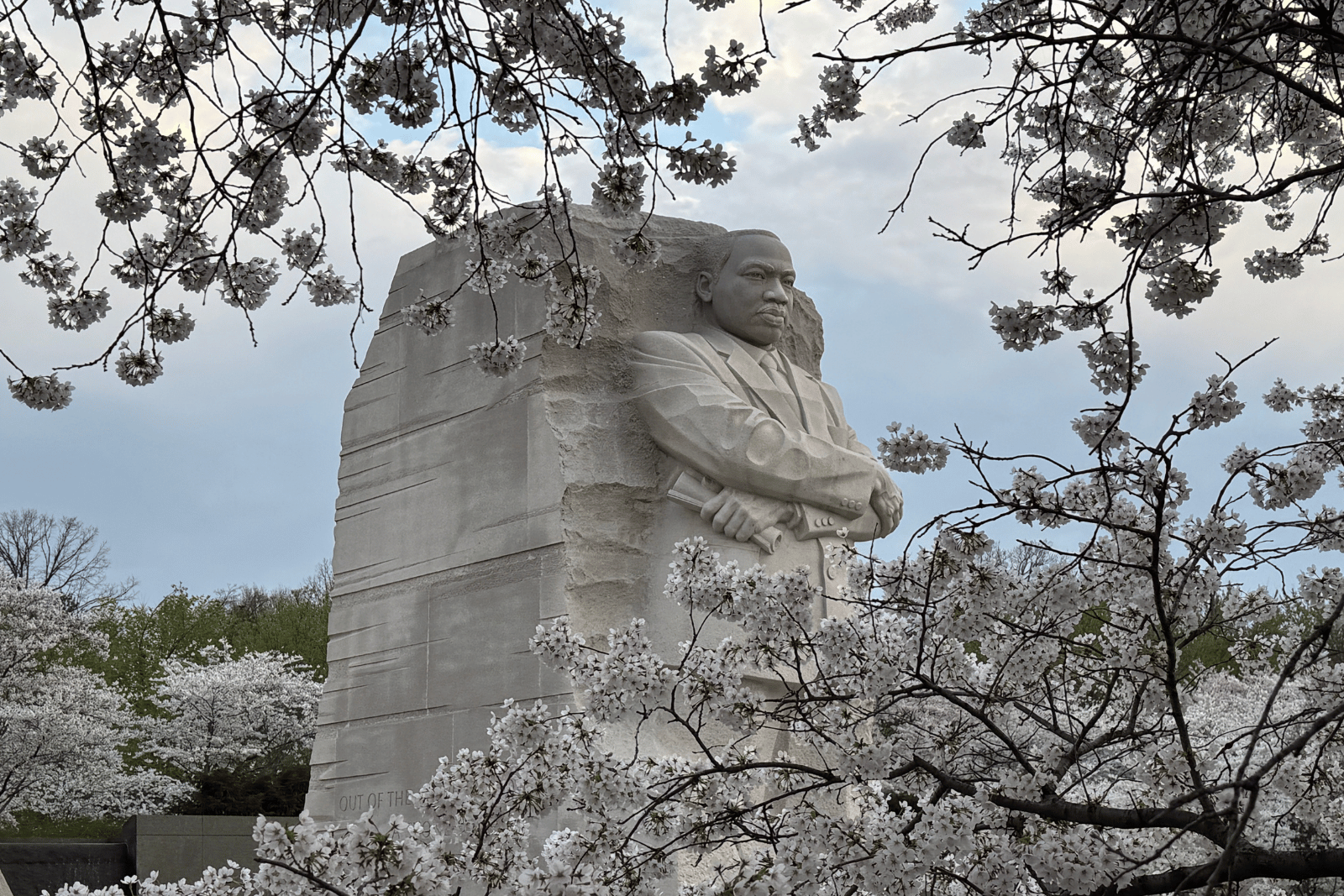
Martin Luther King Jr. Memorial
Washington, D.C.
Overlooking the Tidal Basin, this powerful memorial honors Martin Luther King Jr.’s leadership in the Civil Rights Movement and his enduring message of equality, justice, and nonviolent resistance.
Read more about the Martin Luther King Jr. Memorial.
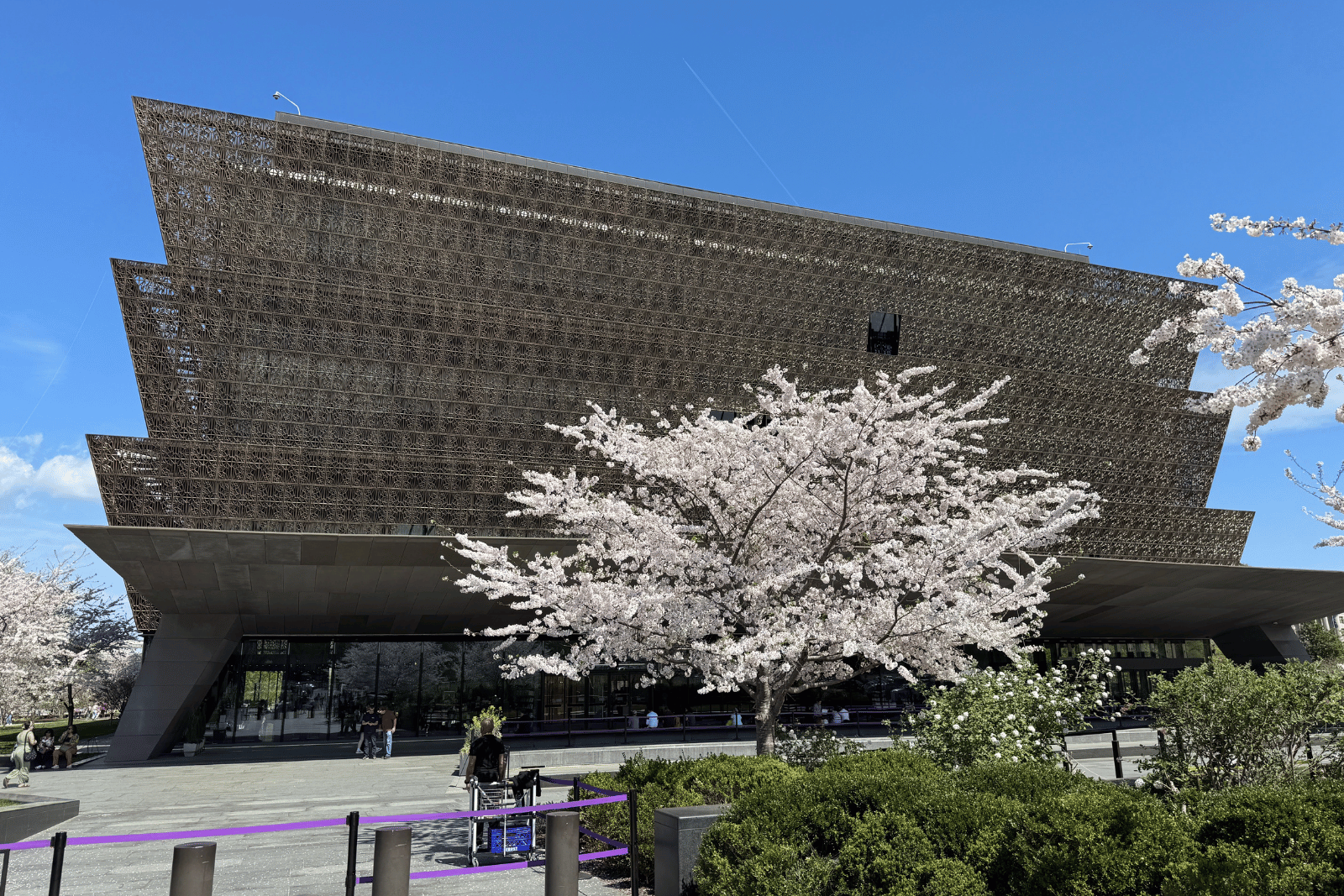
National Museum of African American History and Culture
Washington, D.C.
This Smithsonian museum explores Martin Luther King Jr.’s life and legacy through historic artifacts and exhibits that document his leadership in the Civil Rights Movement and the broader struggle for racial equality in America.
Read more about the National Museum of African American History and Culture.
More Places Connected to Martin Luther King Jr.
National Civil Rights Museum
Memphis, Tennessee
Built around the historic Lorraine Motel, where Martin Luther King Jr. was assassinated on April 4, 1968, this museum preserves the site of his final moments while exploring the history and legacy of the American Civil Rights Movement.
Read more about the National Civil Rights Museum.
Dexter Parsonage Museum
Montgomery, Alabama
Martin Luther King Jr. and his family lived in this historic parsonage from 1954 to 1960 while he served as pastor of Dexter Avenue Baptist Church, including during the Montgomery Bus Boycott when the home was bombed in 1956.
Read more about Dexter Parsonage Museum.