
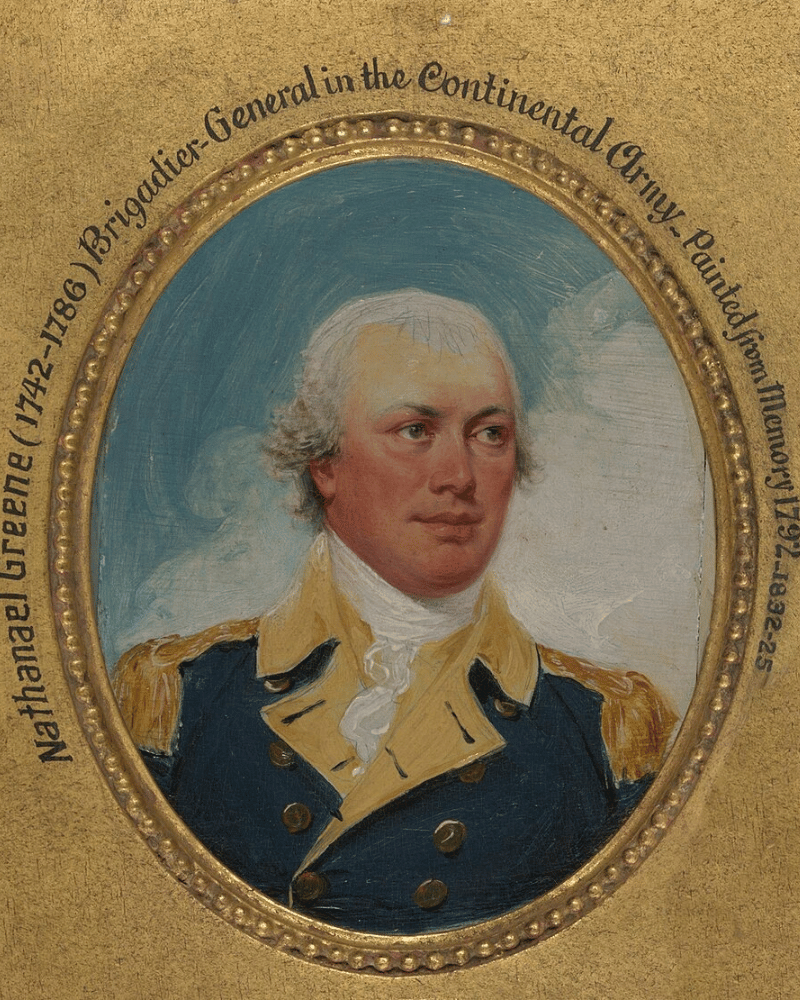
Nathanael Greene Historic Sites
Nathanael Greene never became a household name like George Washington, but he was one of the Revolution’s most important commanders.
Born into a Rhode Island Quaker family in 1742, Greene had little formal military experience when fighting with Britain began. Washington quickly recognized his intelligence and organizational ability, and Greene rose from militia private to major general. His greatest challenge came in 1780 when he took command of the battered American forces in the South. Instead of gambling everything on one decisive battle, Greene kept his army moving and forced the British to chase him across enormous distances. Battles such as Guilford Courthouse were technically American defeats, yet they weakened British forces and made holding the South increasingly difficult. Greene survived the Revolution but died in Georgia in 1786 at age 43.
His trail runs from Rhode Island through the Carolinas and Georgia, connecting homes, battlefields, monuments, and museums that tell the story of the commander who helped unravel British control of the South.
Explore Nathanael Greene Historic Sites
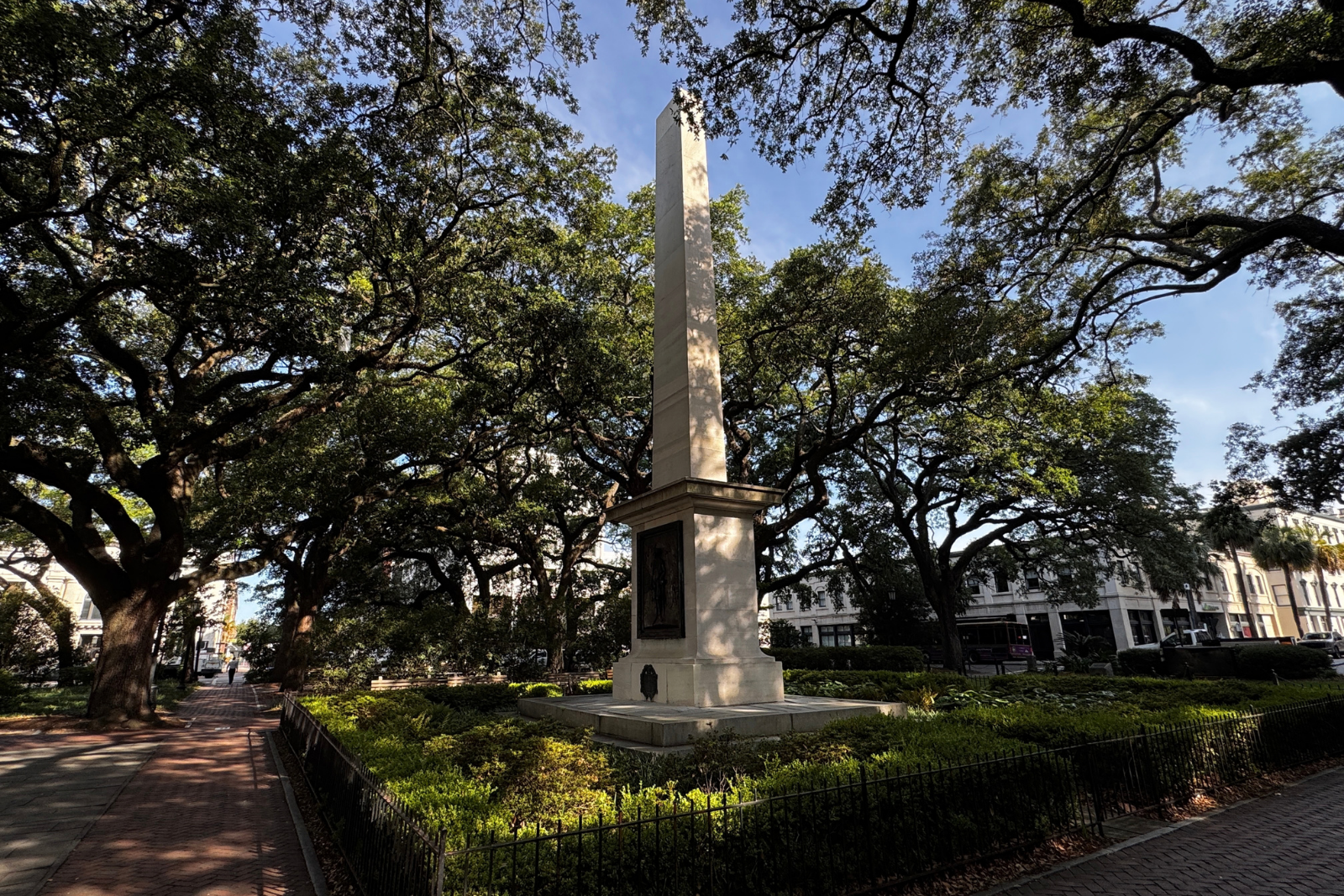
Nathanael Greene’s Grave
Savannah, Georgia
Nathanael Greene’s remains were reinterred beneath the towering monument in Savannah’s Johnson Square in 1902, more than a century after his death.
Read more about Nathanael Greene’s Grave.
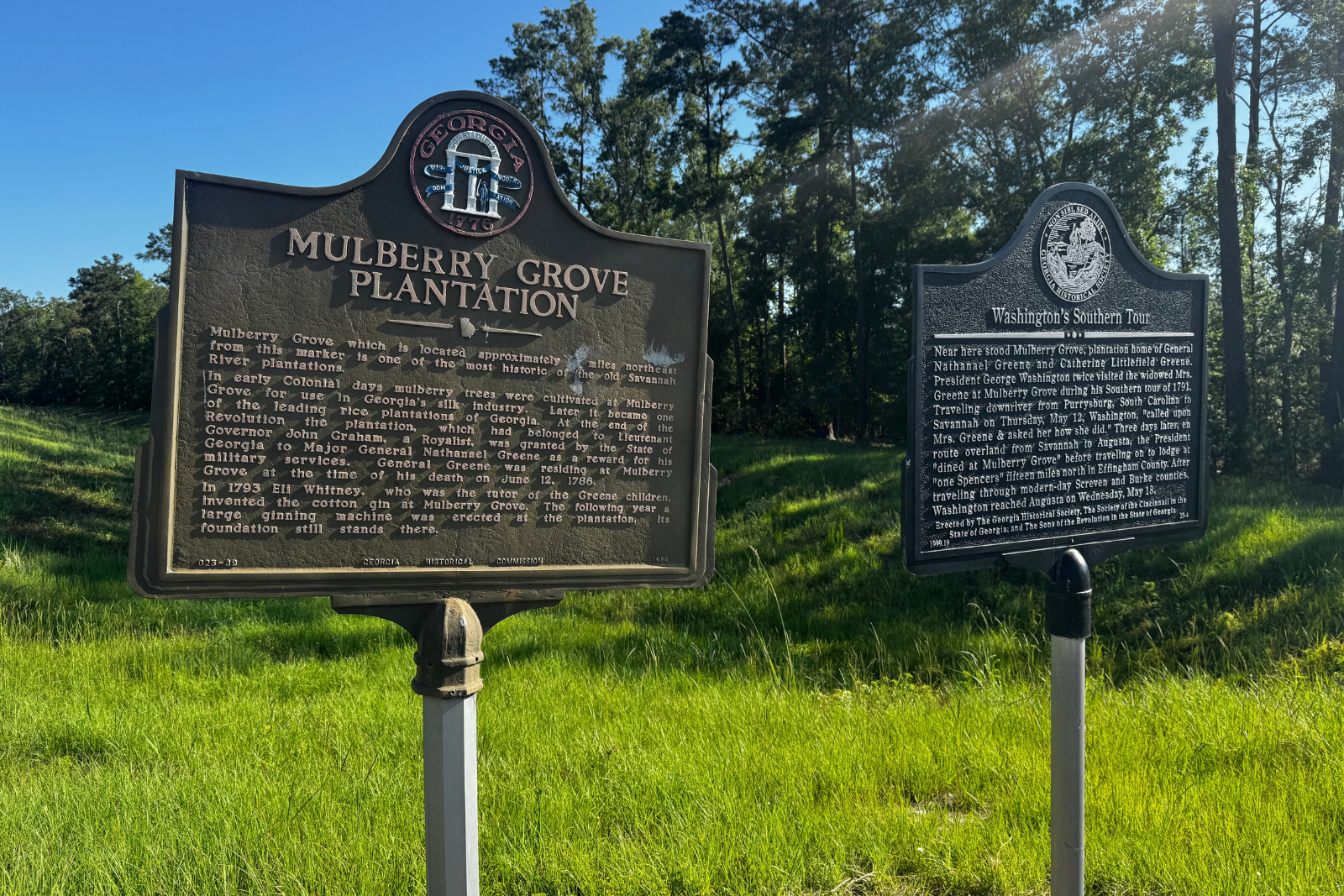
Mulberry Grove Plantation
City, State
Georgia awarded Nathanael Greene this plantation in recognition of his Revolutionary War service, and he spent his final years here before dying in 1786.
Read more about Mulberry Grove Plantation.
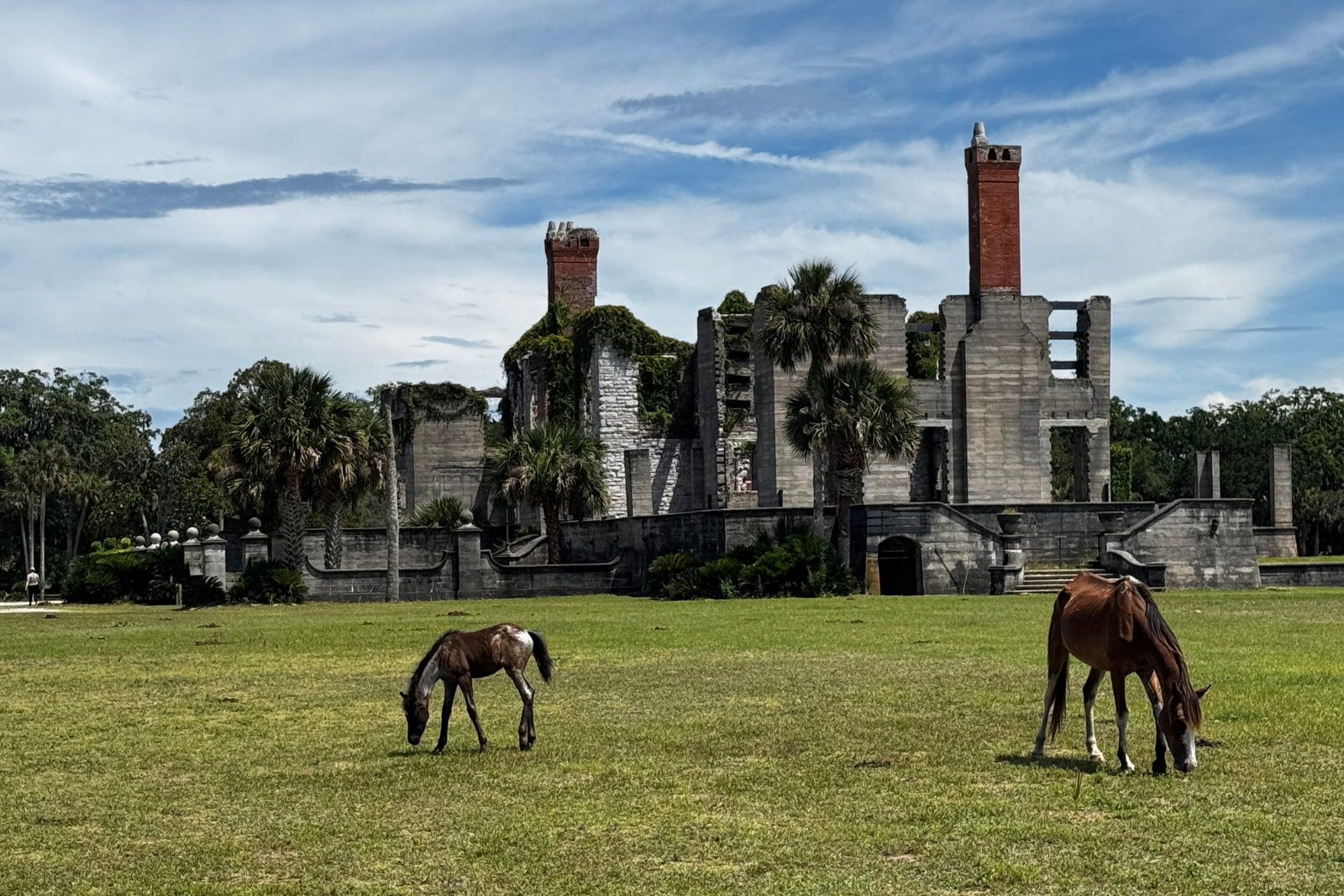
Cumberland Island National Seashore
St. Marys, Georgia
Nathanael Greene acquired land on Cumberland Island following the Revolutionary War, where his widow, Catharine, later established the Dungeness plantation that preceded today’s mansion ruins.
Read more about Cumberland Island National Seashore.
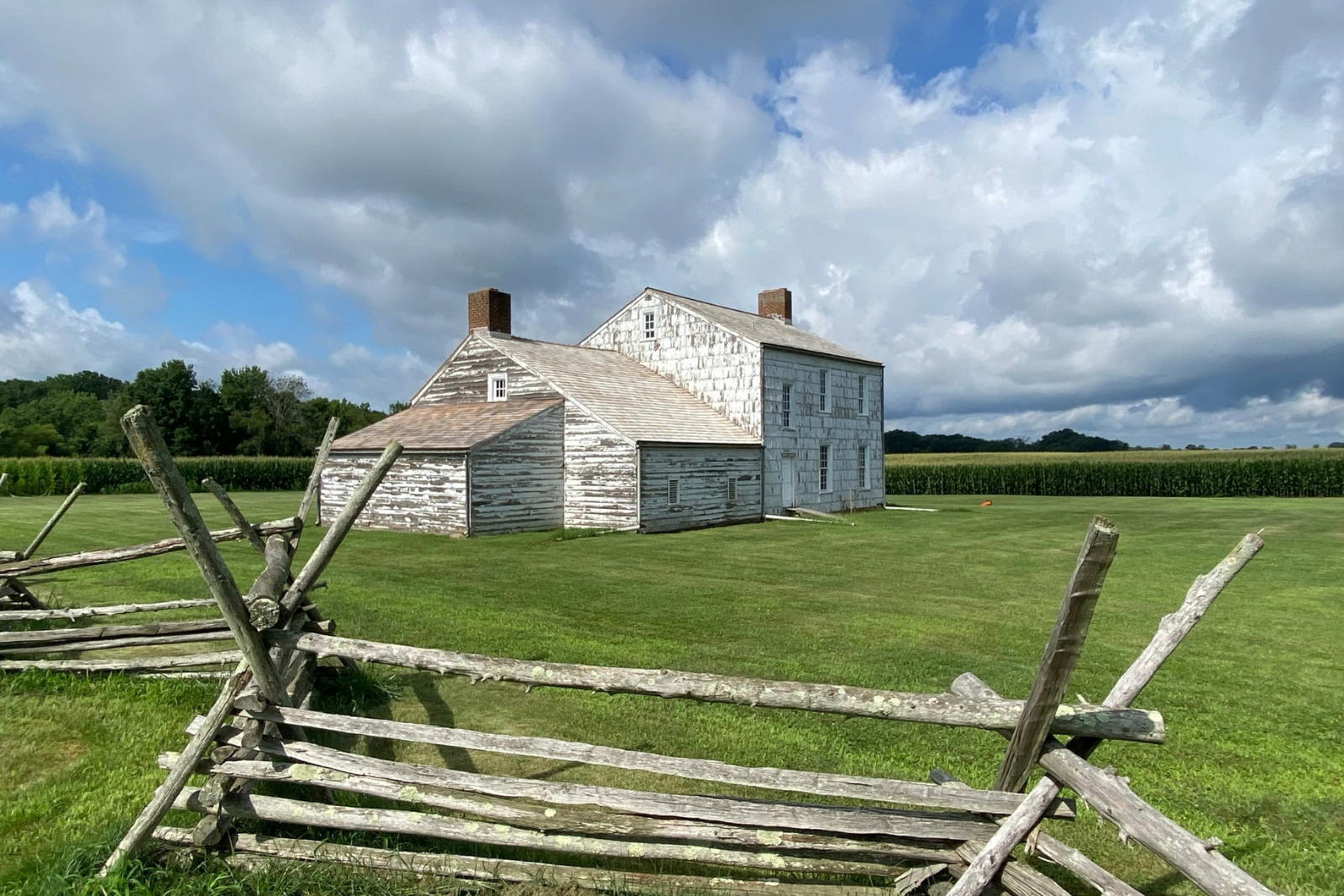
Monmouth Battlefield State Park
Manalapan, New Jersey
Although best known as Henry Knox’s headquarters, this historic house also served as Nathanael Greene’s military headquarters in the summer of 1779, when he was quartermaster general of the Continental Army.
Read more about Monmouth Battlefield State Park.
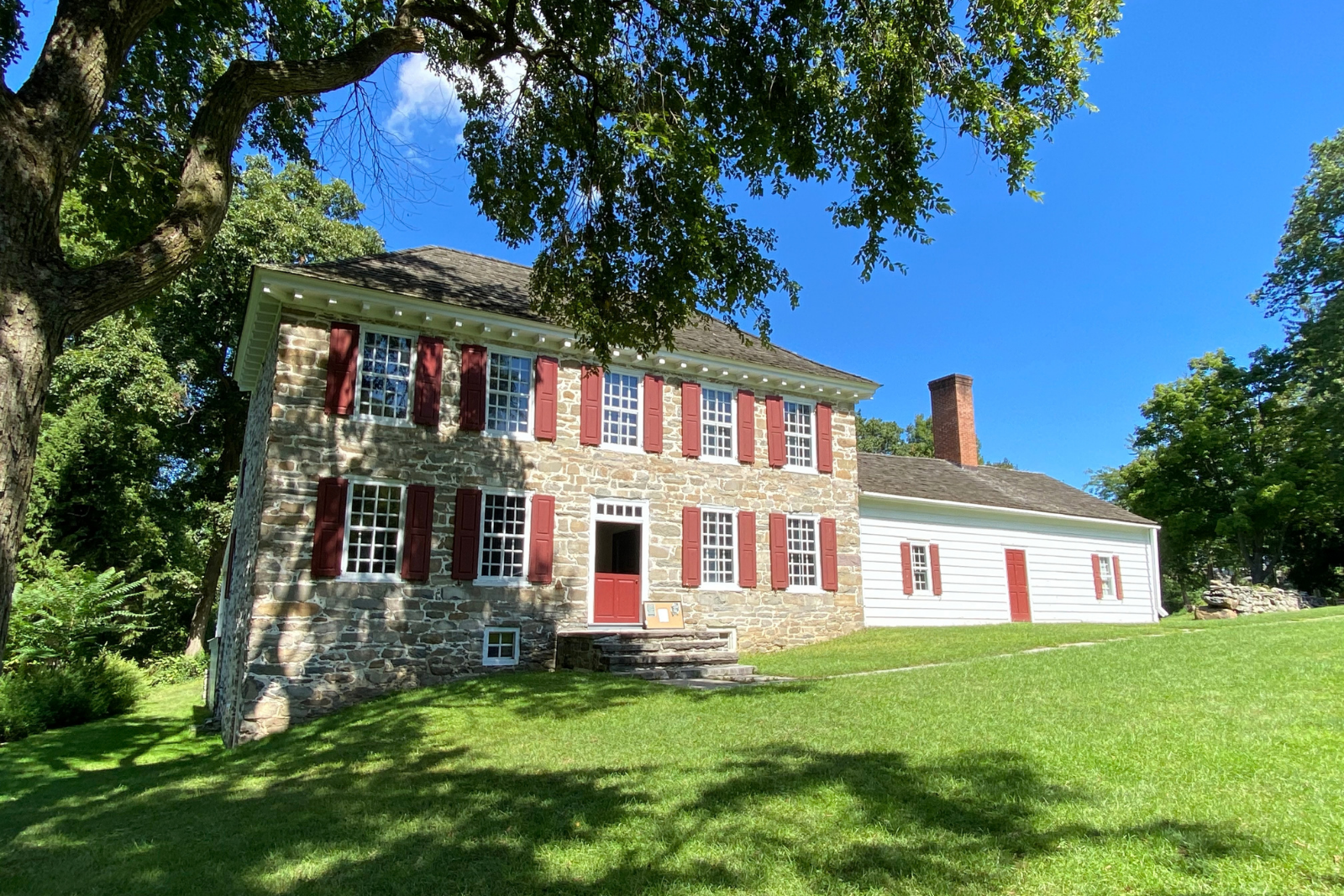
Knox’s Headquarters State Historic Site
Vails Gate, New York
Although best known as Henry Knox’s headquarters, this historic house also served as Nathanael Greene’s military headquarters in the summer of 1779, when he was quartermaster general of the Continental Army.
Read more about Knox’s Headquarters State Historic Site.

General Nathanael Greene Homestead (Spell Hall)
Coventry, Rhode Island
Nathanael Greene built this home in 1770 and lived here with his wife, Catharine, before leaving Rhode Island to become one of George Washington’s most trusted generals during the Revolutionary War.
Read more about General Nathanael Greene Homestead.
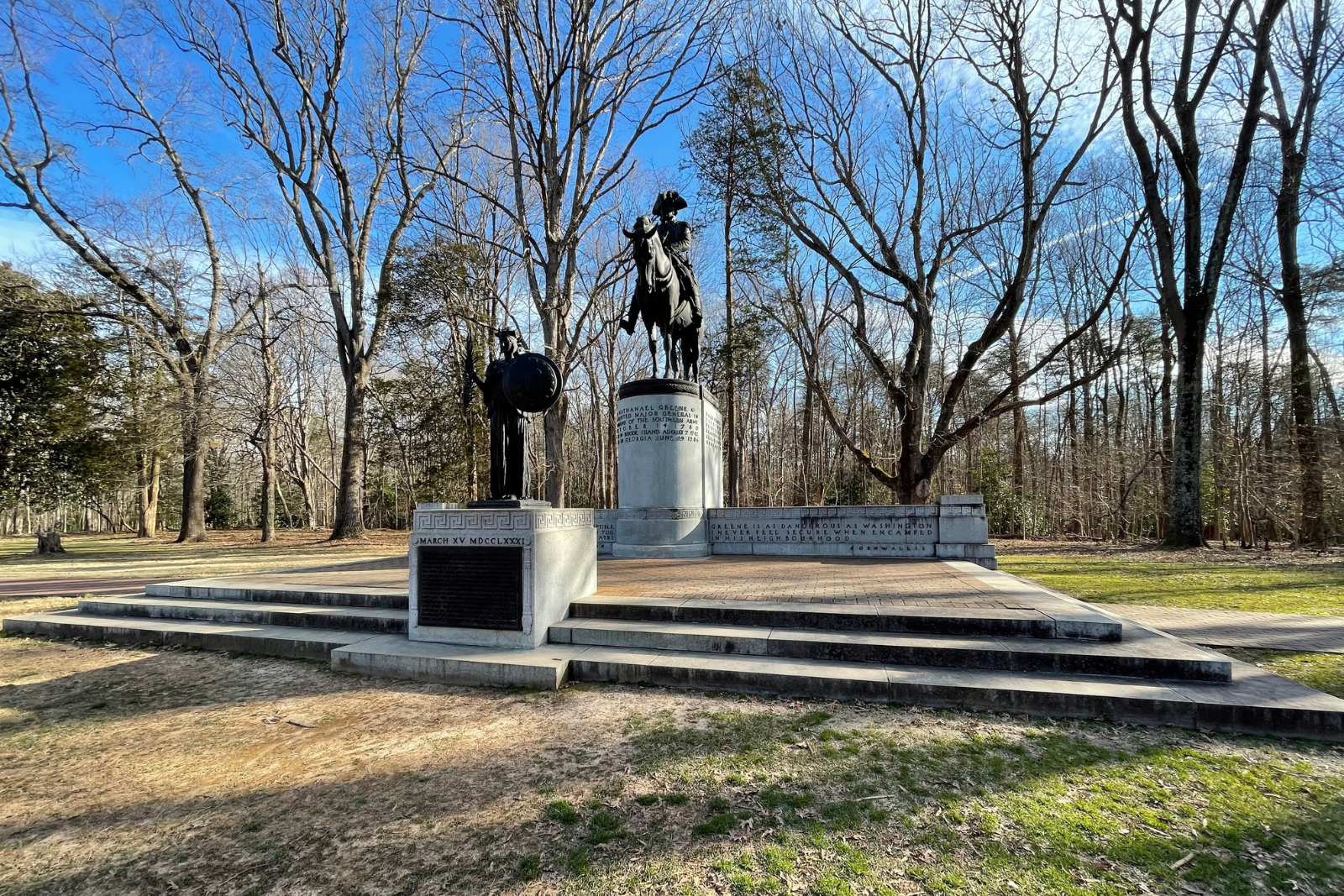
Guilford Courthouse National Military Park
Greensboro, North Carolina
Nathanael Greene commanded American forces against British General Charles Cornwallis at Guilford Courthouse on March 15, 1781, inflicting heavy British casualties despite losing the battlefield.
Read more about Guilford Courthouse National Military Park.
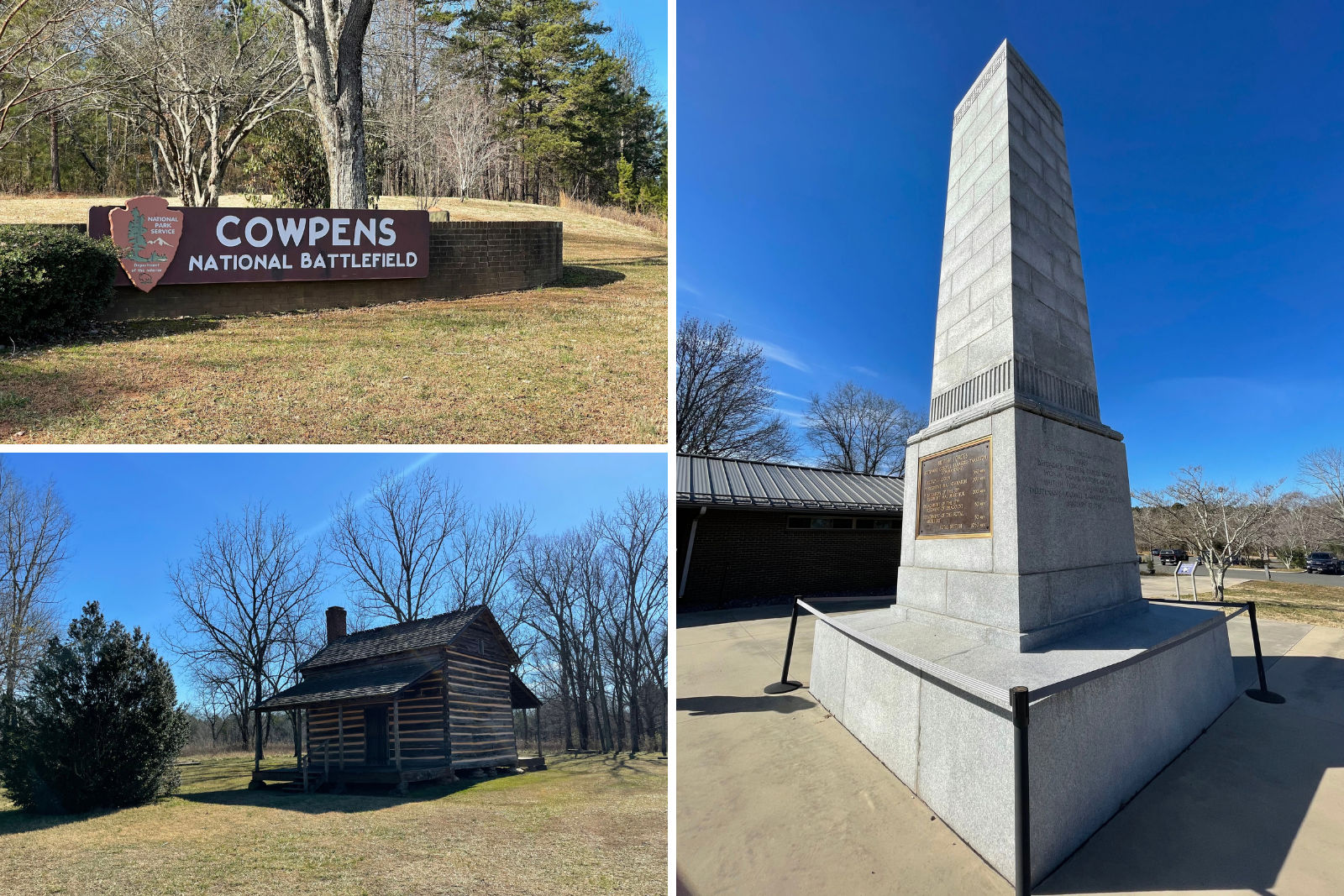
Cowpens National Battlefield
Gaffney, South Carolina
Nathanael Greene’s decision to send General Daniel Morgan into South Carolina helped set the stage for the decisive American victory at Cowpens on January 17, 1781.
Read more about Cowpens National Battlefield.
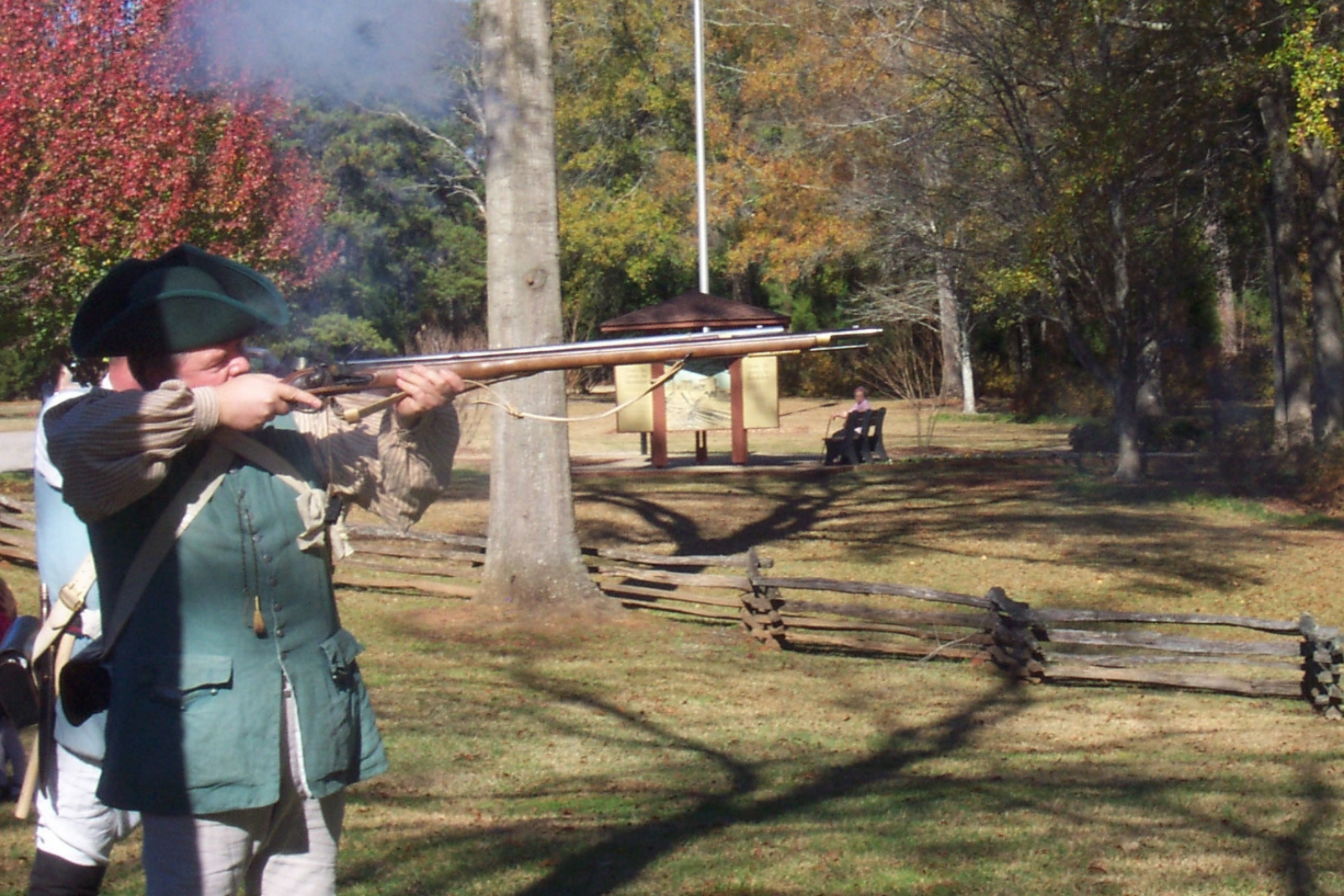
Ninety Six National Historic Site
Ninety Six, South Carolina
Nathanael Greene led American forces during the 1781 Siege of Ninety Six, a nearly month-long attempt to capture a key British stronghold in South Carolina’s backcountry.
Read more about Ninety Six National Historic Site.
More Places Connected to Nathanael Greene
Battle of Eutaw Springs Site
Eutawville, South Carolina
Nathanael Greene commanded American troops at the Battle of Eutaw Springs on September 8, 1781, a bloody confrontation that helped drive British forces toward Charleston.
Read more about the Battle of Eutaw Springs.