
Thomas Paine Cottage in New York: Exploring the Home of America’s Revolutionary Voice
The Thomas Paine Cottage in New Rochelle, New York, stands as one of the most meaningful yet little-known Revolutionary-era sites in the state. This modest white farmhouse was the final home of Thomas Paine—author of Common Sense, The American Crisis, and some of the most powerful words ever written in defense of liberty.
A Brief Biography of Thomas Paine
Thomas Paine was born on February 9, 1737, in England. He would become one of the most influential political writers and revolutionaries whose words helped spark and sustain the American fight for independence.
At Benjamin Franklin’s suggestion, Paine moved to the colonies in 1774. He quickly became a powerful voice for liberty. His pamphlet “Common Sense” (1776) argued boldly for breaking from British rule and became one of the most influential political writings in American history. Later that year, Paine penned “The American Crisis” series—famous for the line “These are the times that try men’s souls”—to rally Americans during the darkest days of the Revolutionary War.
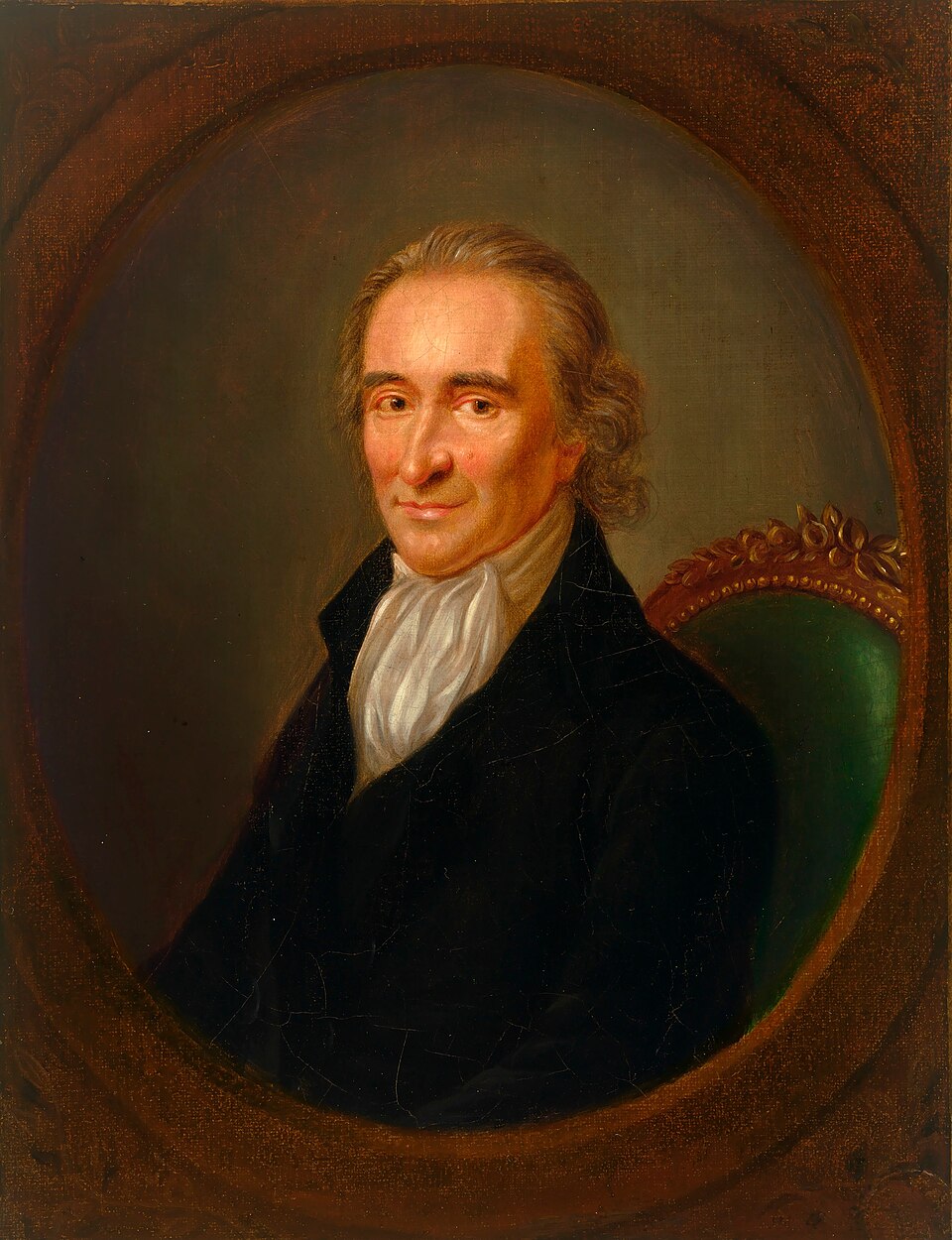
Thomas Paine
Portrait by Laurent Dabos
There is even debate among historians over whether Thomas Paine may have been involved in drafting parts of the Declaration of Independence. If that is historically accurate, or to what degree the truth is there, it will likely never be fully understood, but there is evidence suggesting he may have been involved to some degree. An early draft, known as the “Sherman Copy,” bears the initials T.P. on the reverse. Is T.P. Thomas Paine? Your guess is as good as mine.
After the Revolution, Paine continued championing democratic ideals in Europe, supporting the French Revolution and writing “The Rights of Man.” His later work, “The Age of Reason,” challenged organized religion and sparked significant controversy. It was his criticisms of Christianity and George Washington that led to Paine being generally disliked.
Paine returned to America in 1802 and spent his final years in relative obscurity, dying on June 8, 1809. Only six people attended his funeral. The New York Evening Post wrote of his passing, “He had lived long, did some good, and much harm.”
Though polarizing, Paine remains one of the most influential voices of the Enlightenment and a key architect of American independence.
Visiting the Thomas Paine Cottage
Today, visiting the Thomas Paine Cottage offers an incredible opportunity to explore the personal world of a man whose ideas helped ignite a nation.
The cottage, built in 1784, is beautifully preserved and is the last standing building that Paine called home in America. The cottage was once a part of a 300-acre farm owned by Paine, which was gifted to him by the State of New York. It was here in 1805 that Paine penned his last pamphlet, entitled “Constitutional Reform.”
Its creaking wooden floors, period furnishings, and intimate rooms give visitors a sense of Paine’s daily life after his years traveling between America, England, and France.
Franklin Stove
For many, the highlight is seeing the “Franklin Stove,” which Benjamin Franklin invented and gave to Paine. It’s one of only a few Franklin Stoves known to still exist.
Exhibits showcase original documents, early editions of his writings, personal artifacts, and context about his often-controversial public career. Staff help untangle the myths surrounding Paine and highlight his role as one of the Revolution’s boldest—and sometimes most polarizing—voices.
Explore the Grounds
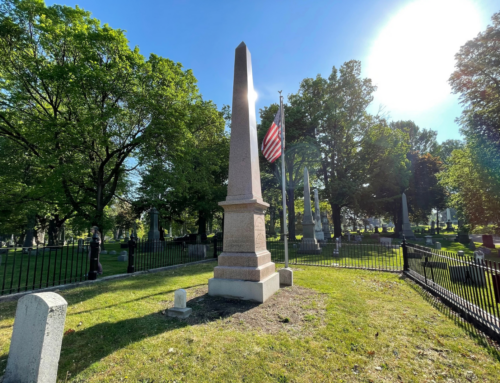
The surrounding grounds, including a small museum and memorial markers, add to the experience. A short walk away is the site of Paine’s original grave, making it easy to tie together the story of his final years in New York.
The Thomas Paine Cottage is an ideal stop for history fans exploring Westchester County or the greater New York City region. Whether you’re drawn by Revolutionary history or the writings that helped shape American identity, this stop offers a thoughtful, engaging, and surprisingly personal visit.
Photo Credit: June Marie