
Staying at the Historic John Rutledge House Inn in Charleston, South Carolina
There are hotels you book because they are close to things you want to see, and then there are hotels that are a part of the reason for the trip.
After a recent stay at the John Rutledge House Inn in Charleston, South Carolina, I can say without hesitation that it falls firmly into the second category.
Located on Broad Street in Charleston’s historic district, the John Rutledge House Inn offers a rare chance to sleep inside one of the city’s most historic homes. Built in 1763, the house once belonged to Founding Father John Rutledge, South Carolina statesman, Revolutionary-era leader, governor, Supreme Court justice, and signer of the United States Constitution.
Today, the home has been transformed into a boutique historic inn — but it still feels deeply connected to the Charleston of another century. From the ironwork and tall windows to the piazzas, courtyard, fireplaces, and period-inspired rooms, the John Rutledge House Inn is the kind of place where a night’s rest becomes part of the itinerary.
A Historic Stay in the Heart of Charleston
Charleston is famous for its historic homes, cobblestone streets, church steeples, and pastel-colored facades. But most of those places are seen from a stroll down the sidewalk.
At the John Rutledge House Inn, you get to wake up inside that history.
The inn sits at 116 Broad Street, one of Charleston’s most beautiful and walkable areas. Step outside and you are surrounded by some of the city’s most recognizable scenery — old churches, stunning historic houses, incredible shopping, amazing restaurants, and quiet side streets that seem designed for quiet walks.
That location makes the inn especially appealing for history-focused travelers such as ourselves. We spent the day exploring Charleston’s museums, waterfront, historic sites, then returned to a landmark that has its own story to tell.
The History of the John Rutledge House
The house was built in 1763 for John Rutledge and his wife, Elizabeth Grimké. At the time, Charleston was one of the wealthiest and most important cities in colonial America. The Rutledge House mirrors that world of status, politics, and influence.
Over the centuries, the house has stood through Charleston’s evolution from a colonial port and Revolutionary-era city to an antebellum center of wealth, a community forever scarred by the Civil War, and one of America’s most preserved historic destinations.
The building’s connection to John Rutledge gives it national significance. Rutledge was not just a prominent Charleston resident. He was one of the most important South Carolinians of the founding era.
Who Was John Rutledge?
John Rutledge was one of South Carolina’s most influential political figures during the American Revolution and the early years of the United States.
Born near Charleston in 1739, Rutledge became a successful lawyer and quickly rose in colonial politics. As tensions with Britain grew, he emerged as a leader in South Carolina’s revolutionary movement. He helped draft South Carolina’s 1776 constitution and served as the state’s president, later known as governor, during the Revolutionary War.

John Rutledge
Rutledge also played a major role at the Constitutional Convention in Philadelphia in 1787. He served as chairman of the Committee of Detail, the group responsible for preparing the first full draft of the United States Constitution. In fact, Rutledge helped write several iterations of the Constitution in a room on the second floor of his Charleston home, now aptly named the Signer’s Ballroom. But more on that later. He later signed the final version of the Constitution, placing him among the small group of men whose names are directly tied to the founding framework of the country.
After the Revolution, Rutledge continued his public service as an associate justice of the U.S. Supreme Court and was later nominated as chief justice.
Rutledge’s life offers a window into Charleston’s role during a defining period in American history, from the Revolution to the writing of the Constitution and the birth of a new republic.

What It’s Like to Stay There
My wife and I stayed at the John Rutledge House during a long summer road trip through the South. We had planned a few days in Charleston to explore the historic sites, enjoy the city, and simply slow down for a bit.
We arrived a few hours before check-in, so we called ahead to see what our options were. That turned out to be a great move. Our room was already ready, and the concierge told us we were welcome to come by anytime, which we promptly did.
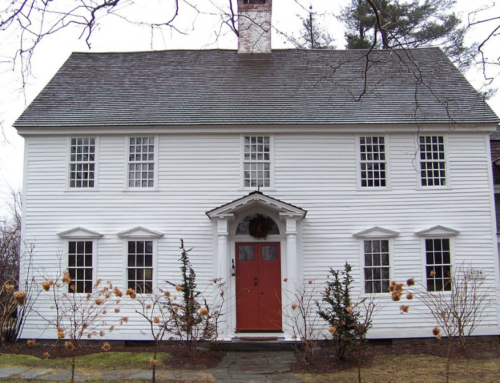
Pulling up, the inn is breathtaking. It looks like the quintessential classic Georgian architecture, that classic Charleston look. Tall stately windows, inviting piazza covered in decorative wrought-iron gates and railings.
From first sight, it was clear the John Rutledge House is not your typical hotel — and that is exactly what makes it special.
Opening the large heavy front door and walking into the beautiful foyer with a large curved staircase at its end, I was immediately impressed with simple elegance. The concierge standing up from a small desk warmly greeted us and asked if we needed any help unloading our luggage. Checking in was very easy and quick. We were told to head up the stairs and our room would be the first one on the left… The John Rutledge Suite.


The John Rutledge Suite
Walking into the room immediately set the tone for the stay: elegant, historic, and unmistakably Charleston. It did not feel like we had checked into a typical hotel room. It felt more like we had been handed the keys to a private piece of the city’s past.
I turned to my wife almost immediately and joked, though I was only half-kidding, “This is bigger than our first four apartments.”
To the left was a large canopy-draped bed with a handwritten note waiting for us, welcoming us to the John Rutledge House. Nearby, a small desk sat beside a beautiful Italian marble fireplace, with antique-style furnishings and fresh flowers adding to the charm.
To the right was a spacious living area with plenty of comfortable seating gathered around another magnificent Italian marble fireplace. The room could even be closed off with two large doors, giving the suite the feel of a true Charleston residence rather than a hotel space.
The bathroom was just as impressive. A large jetted tub and separate marble shower made us wish we had built an extra day into the trip just to stay in the room and enjoy it.
Before heading out to explore Charleston, we spent about an hour simply settling in and enjoying the space. We filled out our breakfast order for the next morning, which honestly turned out to be part of the fun. Guests can choose the daily special or pick from a surprisingly generous list of options, then hang the order on the door the night before. It is a small ritual, but it adds so much to the experience, especially when breakfast can be served in your room, in the ballroom, in the courtyard, or out on the piazza.
Just before leaving, we stepped into the Signer’s Ballroom, which was right next door to our suite. This is the room where Rutledge worked on the Constitution, and standing there gave the entire stay an added sense of history.
Every afternoon, the John Rutledge House offers tea and hors d’oeuvres in the ballroom. There were only a handful of people mingling when we walked in, which made it feel quiet and relaxed. The room itself would have been worth seeing on its own, but the snacks certainly did not hurt. We eventually settled onto the piazza with a cold glass of iced tea and took our time before heading back into the city.
In the evening, the inn also offers cordials, another one of those small touches that makes the stay feel slower, more personal, and far removed from a standard hotel visit.
Why History Lovers Will Appreciate It
For history lovers, the John Rutledge House Inn is special because it makes the stay feel like part of the trip, not just a place to sleep.
Charleston has no shortage of beautiful hotels, but few give you this kind of direct connection to the founding era. You are staying in a home tied to John Rutledge, a signer of the Constitution, a Revolutionary-era governor, and one of early South Carolina’s most important political figures.
The house also has another impressive piece of history attached to it: George Washington visited here in 1791 during his Southern tour. That small detail adds even more weight to a place that already feels deeply connected to early America.
It also gives you a more thoughtful view of Charleston. The city is beautiful, but its history is layered and complicated. The John Rutledge House offers a glimpse into colonial wealth, political power, preservation, and the many people whose stories shaped the Lowcountry.
It is not just a romantic inn or a pretty old building. It is one of those places where the past feels built right into the walls.


Exploring Charleston from the Inn
One of the best parts of staying at the John Rutledge House Inn is how easy it is to step outside and start exploring Charleston on foot.
St. Michael’s Church is just a short walk away. It is one of the city’s most recognizable landmarks and also the burial place of John Rutledge, which makes it an especially meaningful stop during a stay at the inn.
From there, we walked to the Charleston City Market and began exploring the city from that direction. The market is one of the oldest public markets in the country, stretching four blocks through the historic district. It is busy, touristy, and full of Charleston energy, but it also makes a good starting point for wandering deeper into the city.
Other nearby stops include the Old Exchange and Provost Dungeon, where you can dig into Charleston’s colonial and Revolutionary War history, along with The Battery and White Point Garden, one of the city’s classic harbor front walks.
Rainbow Row, historic churches, restaurants, shops, house museums, and small side streets are all close enough to make the inn a strong home base for a history-heavy Charleston getaway.
The morning after our night at the Rutledge House, we got up early, grabbed a cup of coffee, and walked through the quiet Charleston streets before the city fully woke up. I cannot recommend that enough. For a couple of hours, it felt like we had Charleston almost to ourselves, and it ended up being one of my favorite parts of the stay.
That is what makes the John Rutledge House Inn feel so special. The overnight stay becomes part of the history trip.
It is elegant, but not polished to the point of losing its character. The house still feels old in the best possible way, with enough comfort to make the stay relaxing and enough history to remind you that you are sleeping inside one of Charleston’s most important landmarks.
You are not just near Charleston’s history. You are inside it. From the grand rooms and piazzas to the connections with John Rutledge, the American Revolution, the U.S. Constitution, and George Washington’s 1791 visit, the inn gives visitors a direct link to the city’s colonial and early American past.
In a city filled with beautiful buildings, complicated stories, and centuries of change, the John Rutledge House Inn stands out as one of Charleston’s most meaningful historic stays.
Best Things to Do Nearby
Walk to The Battery
Enjoy harbor views, historic homes, monuments, and classic Lowcountry scenery.
Visit the Old Exchange and Provost Dungeon
A strong stop for Revolutionary War history and colonial Charleston stories.
See St. Michael’s Church
A colonial-era landmark with one of Charleston’s most recognizable steeples.
Tour a historic house museum
The Nathaniel Russell House and Aiken-Rhett House offer a deeper look at Charleston’s architecture, wealth, and social history.
Wander the historic district
From Broad Street, you are already in the heart of one of America’s most beautiful walking neighborhoods.
Plan Your Stay at the John Rutledge House Inn
Address:
116 Broad Street, Charleston, South Carolina
Best Time to Visit:
Spring and fall offer the most pleasant walking weather.
Parking:
Check with the inn before arrival, since parking in the historic district can be limited.
Official Website:
John Rutledge House Inn Website
Time Needed:
One night gives you a taste, but two nights lets you slow down and enjoy both the inn and the city.
Best For:
History lovers, couples, architecture fans, first-time Charleston visitors, and boutique hotel travelers.
Nearby Stops:
White Point Garden, Rainbow Row, Charleston City Market, and the Charleston Museum.