

Visiting Andrew Jackson’s Hermitage in Tennessee: Tour the Home of America’s 7th President
On the outskirts of Nashville, Tennessee, Andrew Jackson made his home. Jackson named it The Hermitage and moved onto the plantation when he was 37 years old. He lived there until he died at 78.
What to See at Andrew Jackson’s Hermitage
After Thomas Jefferson’s Monticello and George Washington’s Mount Vernon, The Hermitage is the third most-visited presidential home in the United States. The house has been a museum since before the last members of the Jackson family moved out in 1893.
Entering Jackson’s Age
You enter the Jackson Age through the visitor’s center. It feels like stepping back in time as you walk the road to the front door of the mansion, which was originally built between 1819 and 1821. But renovated twice to its current 1834 appearance.
This is the Greek Revival home Jackson retired to after two terms in the White House. Walk toward the front portico as any of his guests would. Guides will take you around the back and let you enter the mansion.
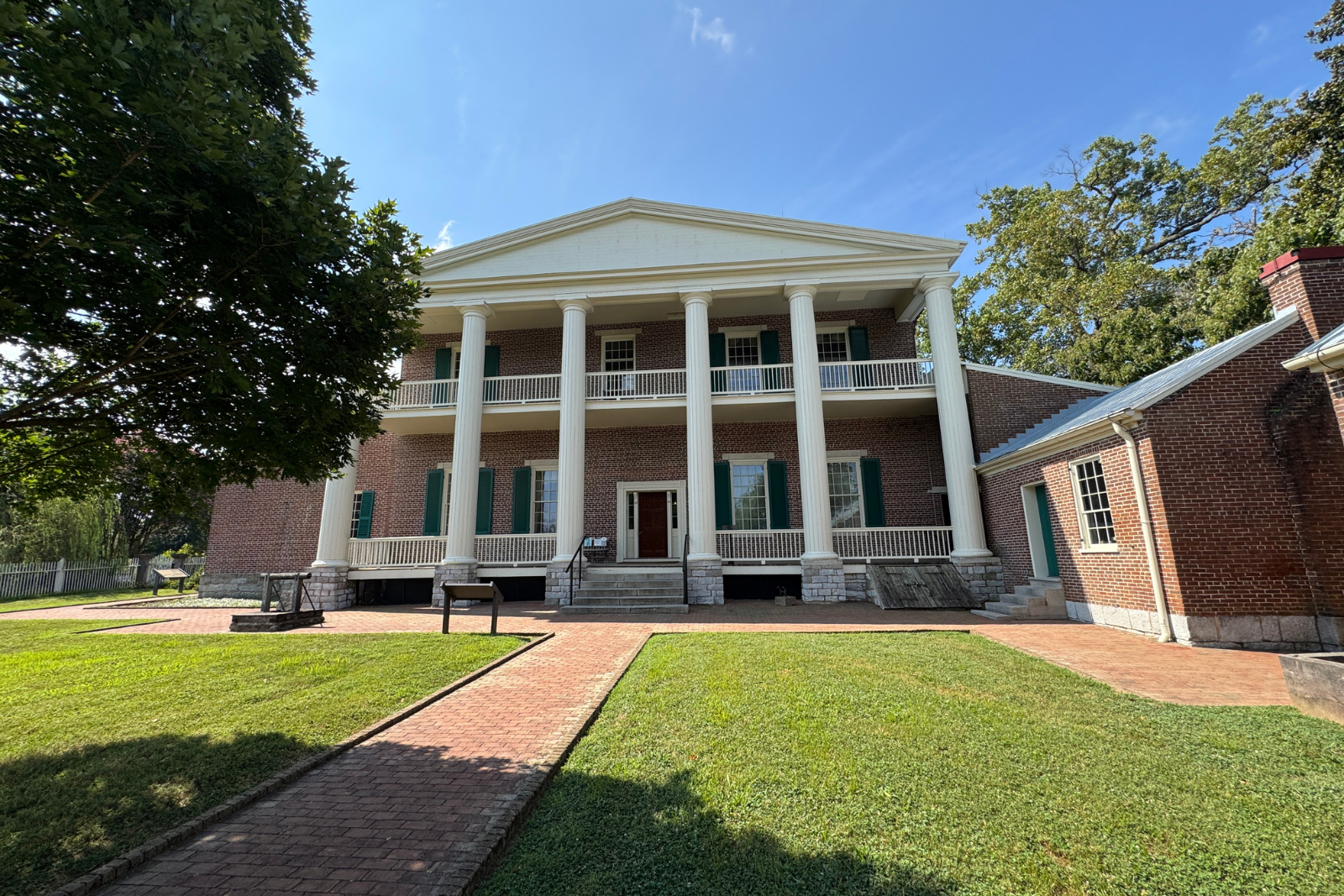
An Ornate Mansion
On the ground floor, the long entry hall features a curving staircase and the French-made scenic wallpaper selected by Rachel Jackson. You find that General Jackson kept a front parlor for entertaining guests and a back parlor for family time. Crystal chandeliers and Italian marble mantels display Jackson’s wealth and taste. Also on the ground floor is the bedroom where Jackson died in 1845.
Upstairs, you find four more bedrooms. But more impressive are the views from the front and back porches. The Hermitage sits on over a thousand acres. It was a massive cotton plantation during Jackson’s life. Today, 1,120 acres are preserved.
Walking outside the home, you can view the ornate dining room from an outdoor entrance as well as the separate building used as a kitchen. Then, the story of The Hermitage continues with the quarters of the enslaved workforce.
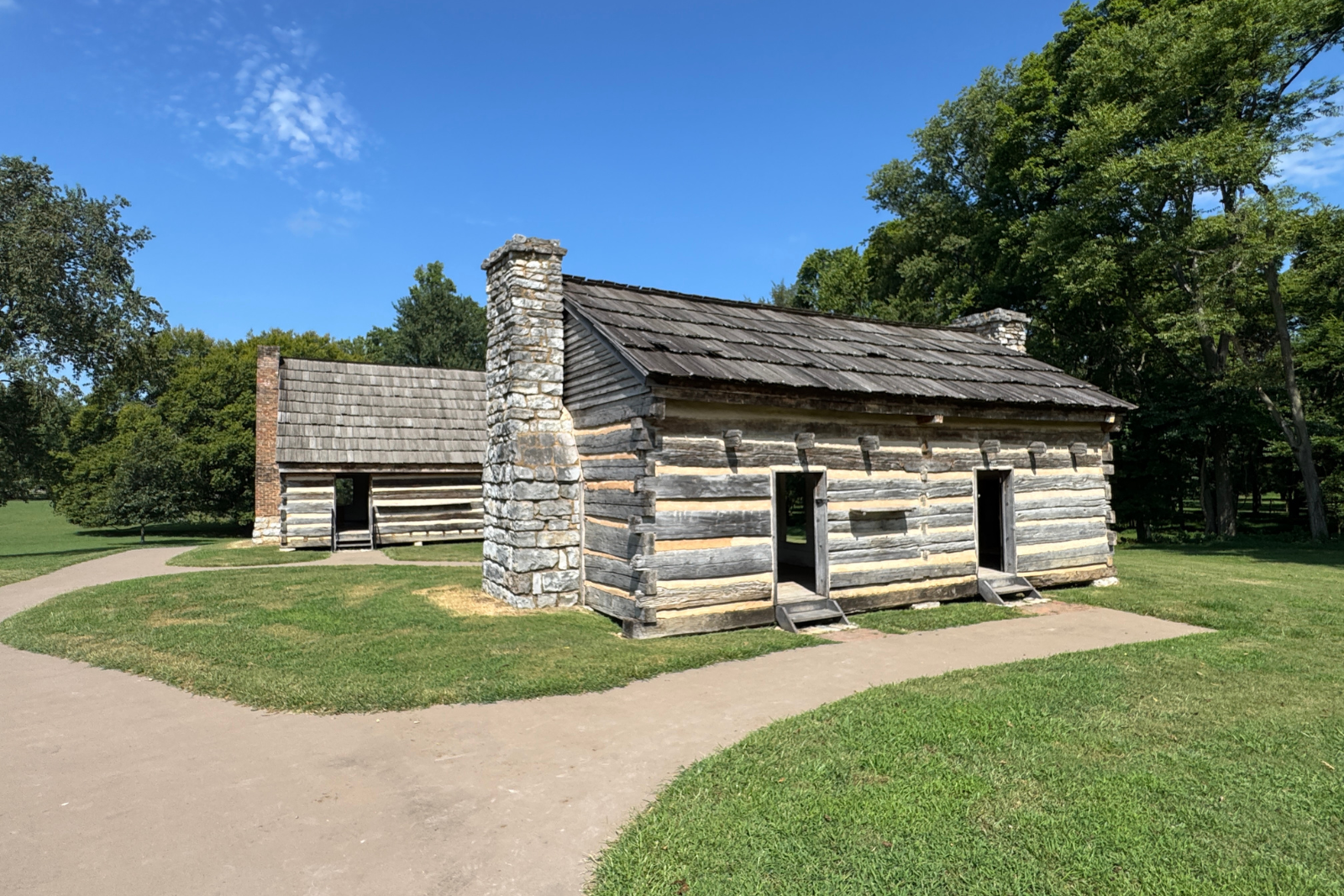
Community of Enslaved Workers
Quarters are located in three locations at The Hermitage. About 30 lived close to the house, where they served. Another 100 lived in separate areas near the cotton fields. There are a few written documents regarding the enslaved workers. But, archeologists have been able to fill in the blanks by discovering the foundations of 13 living quarters.
The Hermitage remains of interest to archaeologists. In 2024, they discovered a 19th-century cemetery for enslaved laborers. 28 burial sites were found.
One of the most interesting outbuildings is the original farmhouse built by Jackson, where he lived from 1804 to 1821. It was once two stories tall. One floor was removed, and it served as the slave quarters.

Jackson’s Tomb
Before you leave, stop at the tomb of President Jackson and Rachel. An architect named David Morrison designed and built the Greek structure, topped by a copper dome. Jackson had chosen to bury Rachel in her garden because it was her favorite place. He rests by her side.


