One Epic Day in Joshua Tree: Top 5 Must See Things

One Epic Day in Joshua Tree: Top 5 Must See Things

If you only have one day to explore the magic of Joshua Tree National Park, fear not — we’ve got you covered. You can still hit the highlights and soak up the desert sun. Here’s a quick guide to Roam Your Home’s top five must-see experiences for a perfect day in Joshua Tree.

Arch Rock and Heart Rock
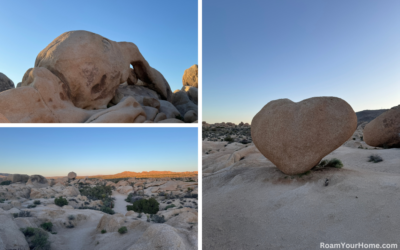
Arch Rock and Heart Rock in Joshua Tree

On our last trip to Joshua Tree, we started our day by hiking to Arch and Heart Rocks.  I highly recommend this any time of the day, but it is particularly nice in the early morning. You will beat the crowds, and the morning sun illuminates both rock formations nicely.  The entire hike takes about 45 minutes, including ample photo time.

Learn more about hiking to Arch and Heart Rocks.

Skull Rock
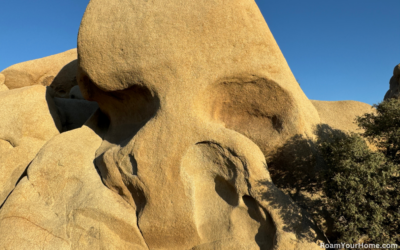
Skull Rock Formation

Right off the main road, Skull Rock is a stunning natural formation resembling a skull. It’s a fun spot to stretch your legs and snap a few photos. Bonus: if you have extra time, there’s a loop trail here. This is a top stop for folks traveling with children. 

Learn more about Skull Rock.

Cholla Cactus Garden
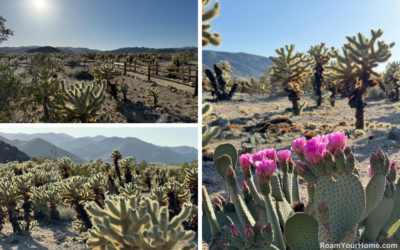
Cholla Cactus Garden in Joshua Tree National Park.

Cholla Cactus Garden is one of our favorite places in Joshua Tree. The unique cacti seem to glow when sunlight hits them early in the morning or later in the afternoon. We visited an hour or so before sunset, and it was stunning. The loop trail is short and flat, perfect for families or anyone with trouble getting around. 

Learn more about the Cholla Cactus Garden.

Barker Dam Trail
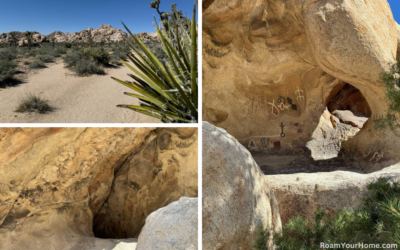
Barker Dam Trail in Joshua Tree National Park.

Barker Dam Nature Trail is a crowd-pleaser. This short trail features petroglyphs and a small reservoir. We saw tons of songbirds when we went! This hike is particularly lovely during the golden hour before sunset.  Also, if you have the time, stick around after dark: Joshua Tree is a certified dark sky park, so stargazing is incredible. 

Learn more about the Barker Dam Nature Trail.

Keys Ranch Tour
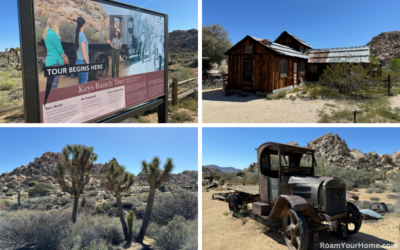
Keys Ranch Tour in Joshua Tree National Park

Visiting Keys Ranch was a big highlight of our last visit. However, it does require a bit of planning ahead because you can only visit with a National Park Service guided tour. If you can secure a ticket, you will not be disappointed.  Millions of people visit Joshua Tree each year, but only a few thousand get to see the historic Keys Ranch.

Learn more about taking a tour of Keys Ranch.

Plan Your Visit to Joshua Tree National Park

Park Location

Joshua Tree National Park is located in Southern California, where the Mojave and Colorado deserts meet. The park has several entrances, with popular access points near Joshua Tree, Twentynine Palms, and Cottonwood Springs.

Best Time to Visit

The best time to visit Joshua Tree National Park is fall through spring, especially from October to April, when desert temperatures are more comfortable. Summer can be dangerously hot, so plan early morning or late evening visits if traveling during hotter months.

Parking

Parking is available throughout the park at major trailheads, overlooks, picnic areas, and visitor centers. Popular spots like Hidden Valley, Barker Dam, Skull Rock, and Keys View can fill quickly during weekends, holidays, and the spring wildflower season.

Cost / Pass Needed

Joshua Tree National Park charges an entrance fee. The park also accepts the America the Beautiful Pass. Always check the official park site before visiting, since fees and policies can change.

Time Needed

You can see several highlights of Joshua Tree in one full day, especially if you focus on scenic drives, short hikes, and overlooks. For a slower visit with sunrise, sunset, stargazing, and more hiking, plan on two to three days.

Hiking

Joshua Tree has everything from short walks to longer desert hikes. Easy popular options include Hidden Valley Trail, Barker Dam Trail, Skull Rock, and Cholla Cactus Garden. Longer hikes require more planning, plenty of water, sun protection, and awareness of desert conditions.

Accessibility

Some visitor centers, overlooks, picnic areas, and shorter paths are more accessible than others, but many trails include sand, rocks, steps, or uneven desert terrain. Visitors with mobility concerns should check the current National Park Service accessibility information before choosing hikes or viewpoints.

Nearby Stops

Nearby places worth adding to a Joshua Tree trip include Pioneertown, Twentynine Palms, Palm Springs, Mojave National Preserve, and the quirky shops, restaurants, and roadside stops around the town of Joshua Tree.

Official Website

For current fees, closures, road conditions, maps, safety alerts, and visitor center information, visit the official Joshua Tree National Park website from the National Park Service.

Frequently Asked Questions About Visiting Joshua Tree National Park

Is Joshua Tree National Park worth visiting?

Yes. Joshua Tree is one of California’s most unique national parks, known for its namesake trees, giant rock formations, desert scenery, hiking, climbing, sunsets, and stargazing.

How long do you need at Joshua Tree National Park?

One full day is enough to see major highlights, but two or three days give you more time for hiking, photography, sunrise, sunset, and exploring nearby desert towns.

What is the best month to visit Joshua Tree?

March, April, October, and November are some of the best months to visit because temperatures are usually more comfortable than in summer.

Can you drive through Joshua Tree National Park?

Yes. Joshua Tree is very drive-friendly, with scenic roads connecting major viewpoints, trailheads, picnic areas, and rock formations.

Is Joshua Tree safe in summer?

Joshua Tree can be extremely hot in summer. Make sure to carry plenty of water, avoid strenuous midday hikes, wear sun protection, and check current park alerts before heading out.

Enjoyed reading this article? Share with a friend...